Why Fresh Meal Prep Beats Frozen: What Dubai Residents Should Know
The Meal Prep Market in Dubai Has a Quality Problem
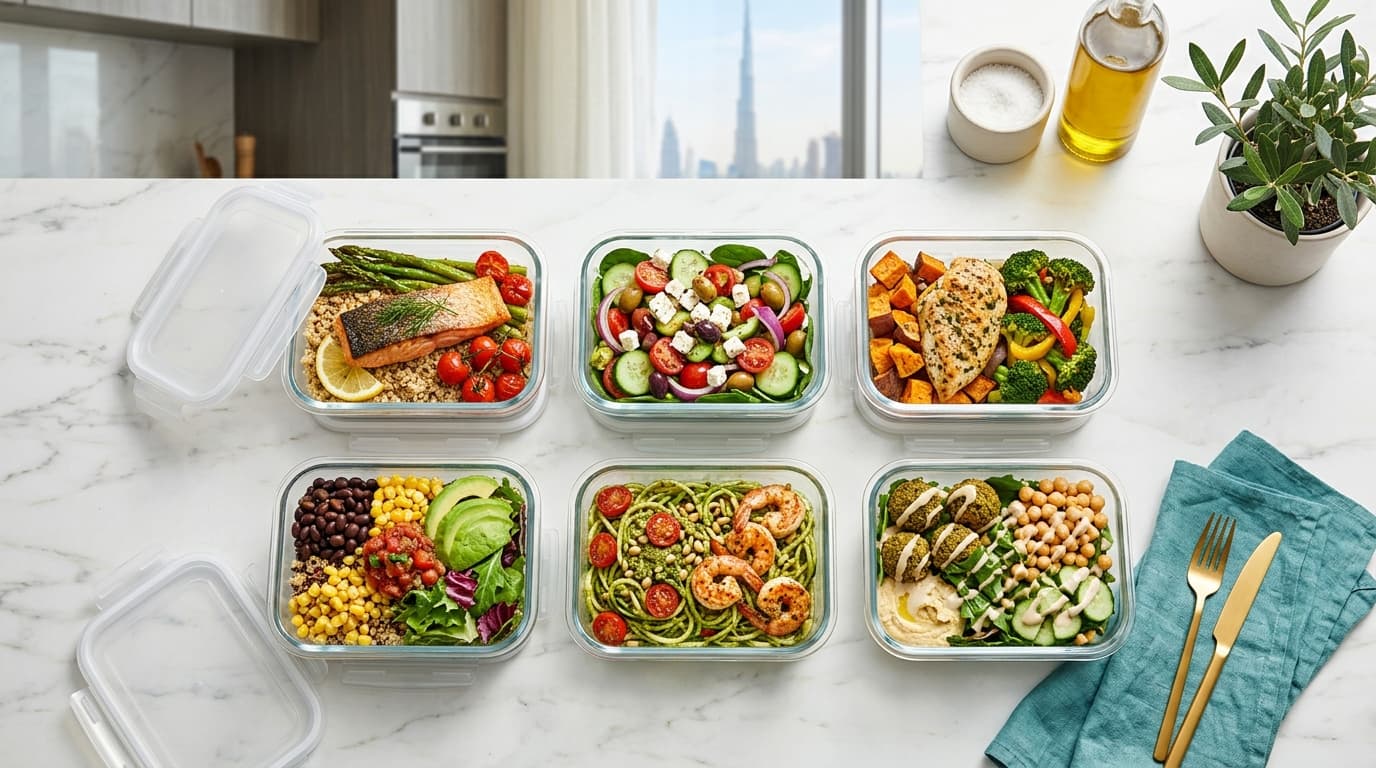
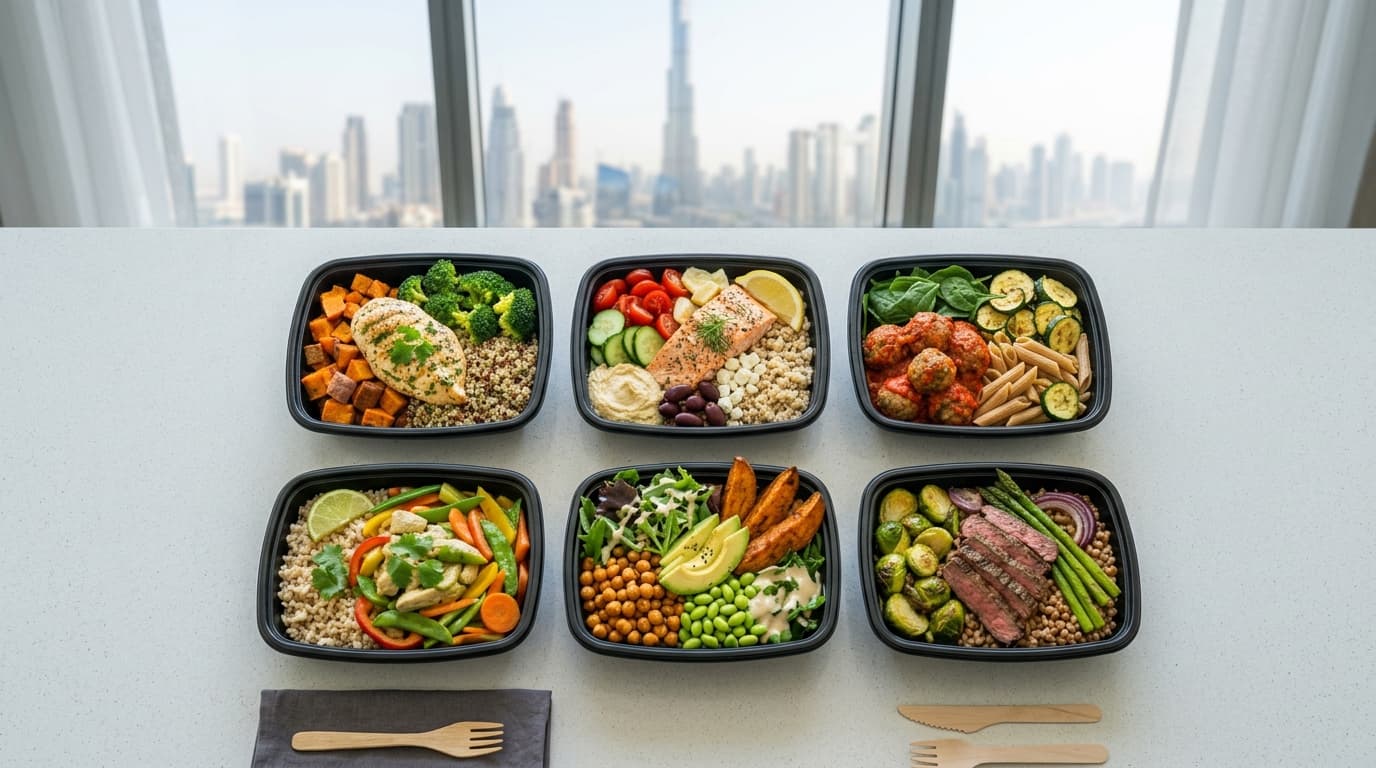
Meal prep in Dubai has exploded in popularity, but the term itself has become meaninglessly broad. A service that cooks meals fresh every morning and delivers them the same day calls itself "meal prep." A service that batch-cooks on Sunday, freezes everything, and ships a week's worth of containers also calls itself "meal prep." These are fundamentally different products.
The same dish can be made with frozen chicken at one provider and fresh hormone-free chicken at another. When you compare the cost of frozen fruit and vegetables to fresh in the supermarket, you can see the difference immediately. Proteins sourced from different countries and eggs sourced from different farms under different conditions show a variation in price for what could be perceived as the "same ingredient."
The distinction matters because your experience, your results, and your willingness to stick with a plan all hinge on the quality of what shows up at your door.
What Happens to Food During Freezing
Freezing arrests bacterial growth, which is why it is useful for food safety. But it also damages food at a cellular level in ways that affect nutrition, texture, and taste.
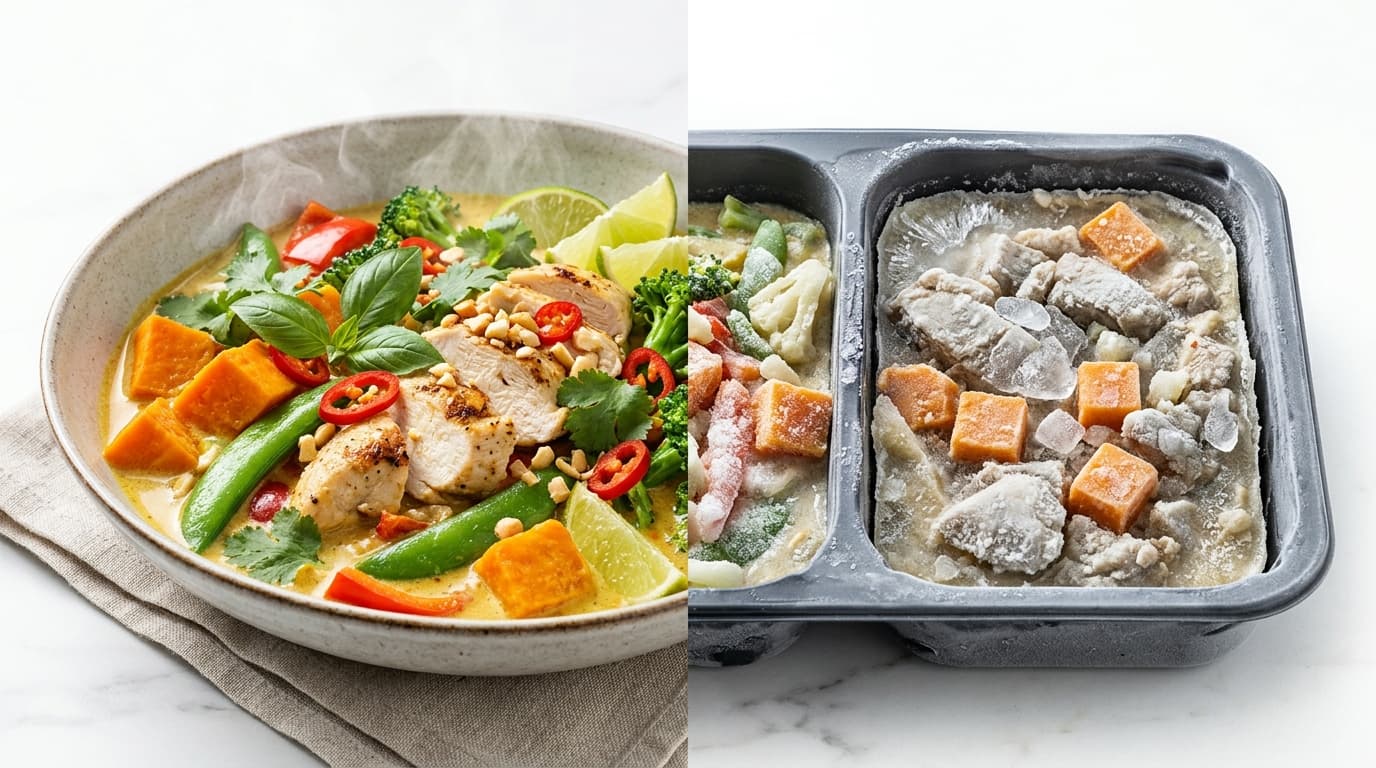
Ice crystals form inside cells during the freezing process, rupturing their walls. When the food thaws and reheats, the damaged cells release liquid, leaving proteins dry, vegetables mushy, and grains clumped. This is why reheated frozen meals often have a texture that feels processed even when the ingredients were originally fresh.
Nutritionally, water-soluble vitamins — particularly vitamin C and the B vitamins — degrade significantly during the freeze-thaw cycle. Proteins remain largely intact, but their bioavailability decreases slightly with each reheating cycle. The overall nutritional profile of a frozen meal is measurably inferior to the same meal prepared and eaten fresh.
The Fresh Preparation Advantage
A meal prepared fresh the same morning it is delivered retains its full nutritional profile, its intended texture, and its flavour. This is not a marginal difference — anyone who has eaten both side-by-side will immediately understand the gap.
Beyond nutrition, fresh preparation signals something important about the provider: they are committed to daily operational excellence. Running a fresh meal prep kitchen in Dubai requires significantly more logistical discipline than batch-cooking and freezing once a week. Providers who choose fresh preparation are making a statement about their standards.
Fresh meal prep also enables genuine menu rotation. When meals are prepared daily, the kitchen can shift its menu weekly based on seasonal ingredients, client feedback, and culinary variety. Frozen services typically rotate less frequently because changing a production run involves significant advance planning.
How to Tell If a Meal Prep Service Is Actually Fresh
The word "fresh" appears on nearly every meal prep website in Dubai regardless of whether it is accurate. Here is how to verify it independently.
Ask about their delivery schedule. Fresh services deliver daily — the food arrives the morning it was prepared. Services that deliver every two to three days, or weekly, are not delivering fresh meals regardless of what their marketing says.
Ask about shelf life. A genuinely fresh meal should be consumed within 24 to 48 hours of delivery. If a provider tells you their meals are good for five to seven days in the fridge, they are either frozen or heavily preserved.
Ask to see the kitchen location and preparation date. Reputable fresh providers are proud of their kitchen operations and happy to share this information. Vague answers suggest something worth being vague about.
The Real Cost Comparison
Fresh meal prep costs more than frozen alternatives. This is inevitable: better ingredients, daily preparation, and more complex logistics carry a higher price. The question is whether the difference in price corresponds to a meaningful difference in outcomes.
For someone using a meal plan to hit specific fitness goals, the answer is unambiguously yes. The nutrition accuracy, protein quality, and taste satisfaction of fresh meals make the plan easier to stick with and more effective at delivering results. A frozen plan abandoned after three weeks costs more, in every sense, than a fresh plan maintained for three months.
For someone who simply wants convenience without specific performance goals, a frozen service may be adequate. But for anyone serious about what they eat, fresh preparation is not a luxury — it is the baseline.